Website Design for Composite Decking, Cladding and Pergola Companies in the UAE
Composite products are chosen by eye first and by specification second. A good website lets an architect, contractor or villa owner do both without phoning around.
A website for a composite decking and cladding company in the UAE should show finished outdoor spaces clearly, separate decking, cladding, fencing and pergolas into their own pages, and give contractors specifications and a quick quotation route by WhatsApp. It should work in English and Arabic and load fast on phones used on site.
Last updated:
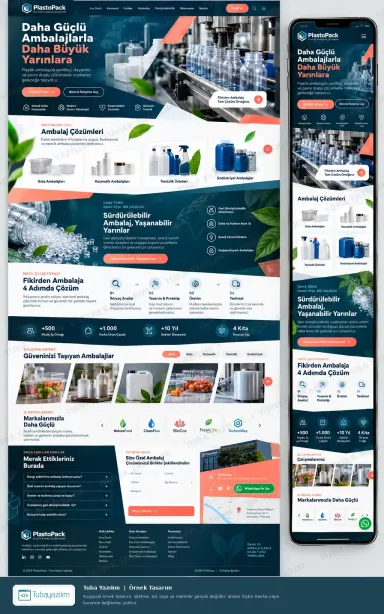
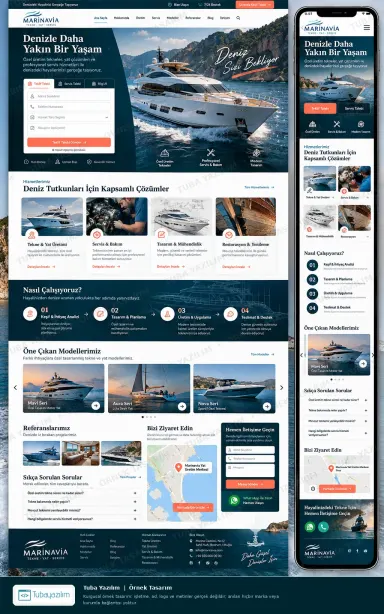
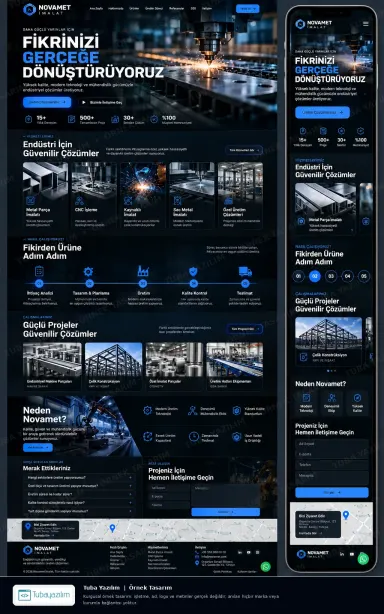
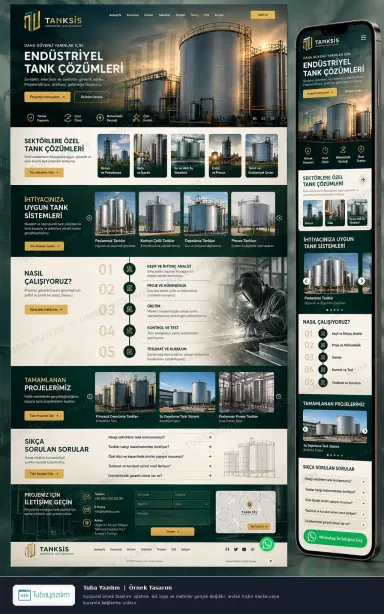
Sample website designs for Composite & FRP Manufacturers
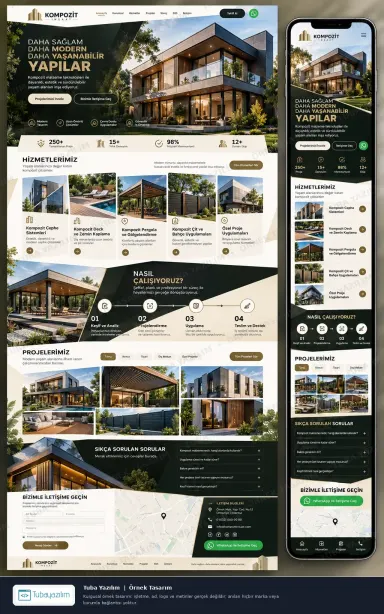
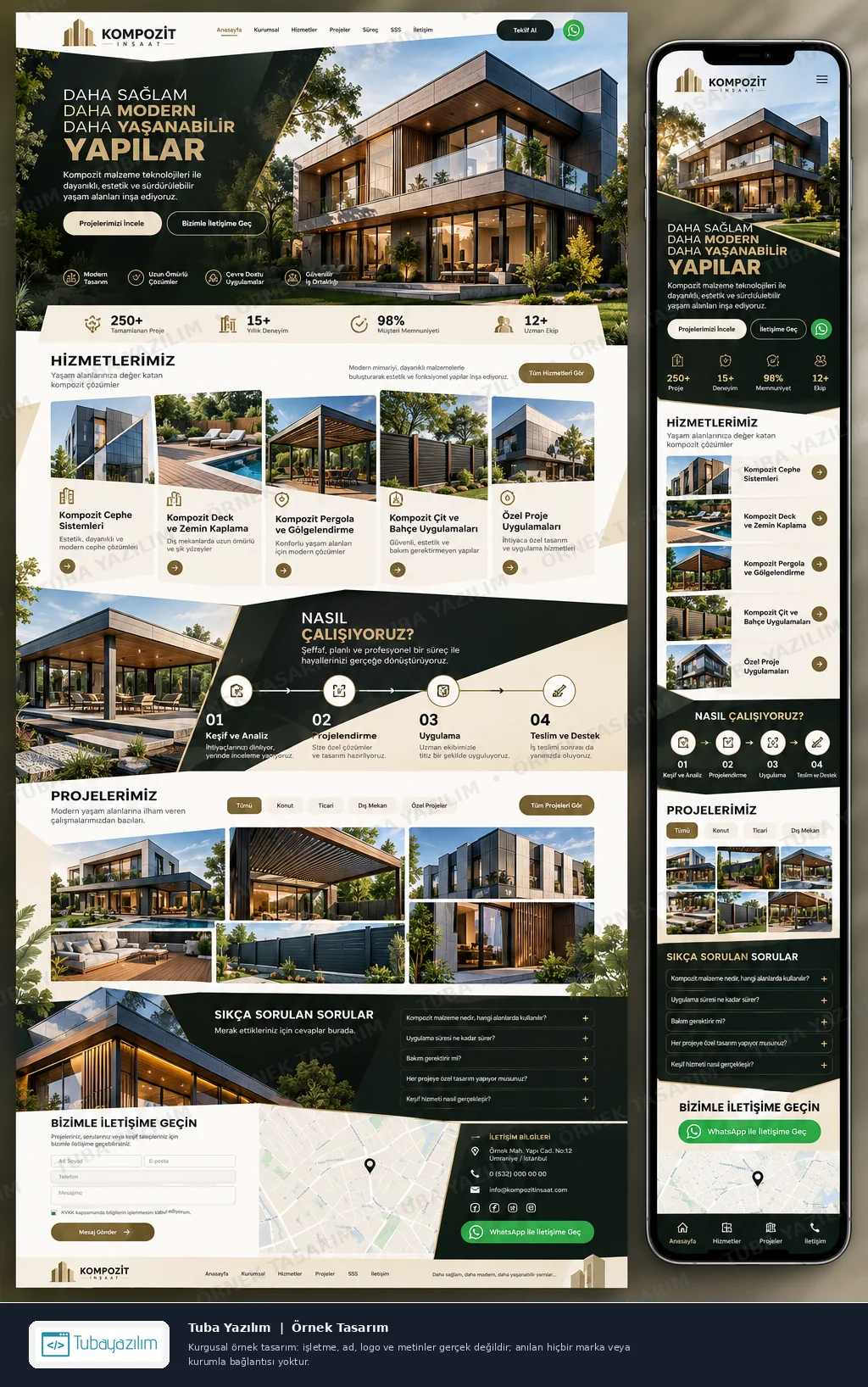
Dark green and ivory layout with a villa hero, service cards, four-step process and project grid 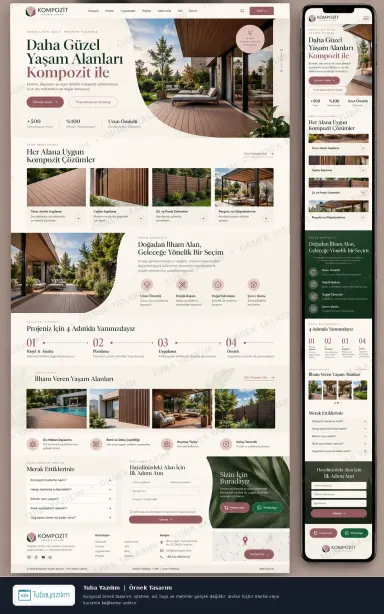
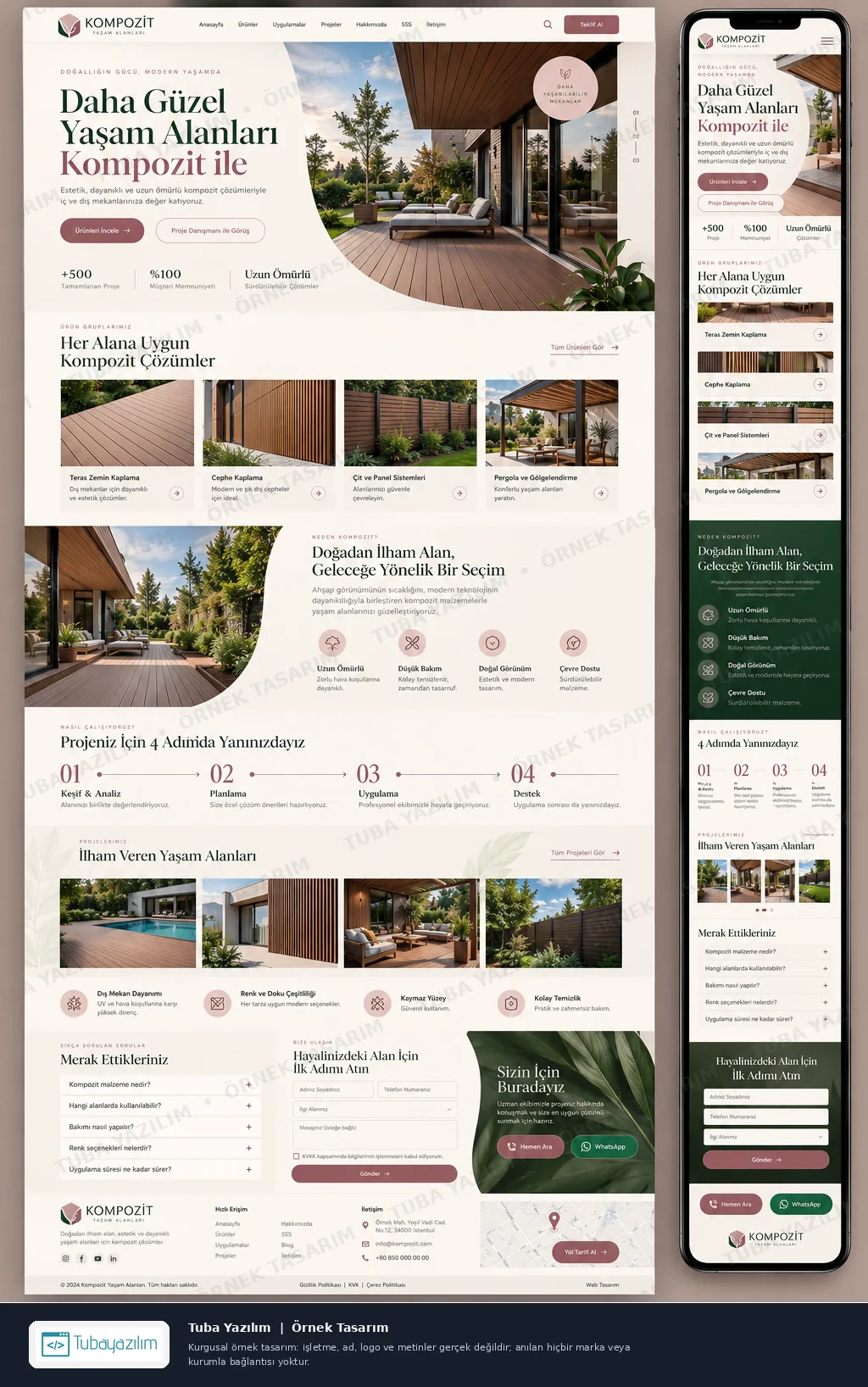
Light, soft-curved layout opening on a timber-look deck, product tiles and a short enquiry form
What should a composite decking and cladding website include?
It should present each product family as its own page with clear photography, then make the next step obvious for homeowners and for trade buyers. The checklist below reflects what the two sample designs organise.
- Separate pages for decking, wall cladding, fencing and screens, and pergolas, so each ranks and reads on its own
- Finish and colour galleries shot in daylight, since buyers compare tone and grain before anything else
- A plain-language comparison of composite against natural timber for heat, upkeep and fading, written without hype
- Downloadable data sheets, installation guidance and care instructions for contractors and landscape designers
- A project gallery sorted by villa, hotel terrace, pool deck and commercial frontage
- A four-step enquiry process: site details, design, supply, handover
- A WhatsApp button that opens a chat pre-filled with the product and a request for dimensions or a plan
- An FAQ covering lead times, supply-only versus supply-and-install, and warranty terms as the business actually states them
See our web design service for how these pages are built from scratch.
How do UAE customers find and choose composite decking suppliers online?
Most start with a search for decking or cladding near a project, then move straight to images and a chat. A site that answers the first three questions quickly tends to keep that visitor.
Villa owners often ask about surface heat, slip resistance around pools and what a finished terrace looks like in strong sun. Consultants and fit-out contractors look for specifications and for a supplier who answers on WhatsApp the same day. Arabic and English pages both matter, because the decision can involve an owner, a designer and a site foreman who read different languages.
Because the work is often outdoors, visitors judge honesty in photography. Real installations in real light build more confidence than rendered images alone.
What should a composite company prepare before the website is designed?
Prepare the facts a buyer will test: what you supply, what you install and what you leave to others. Clear boundaries prevent disappointment later and keep the content truthful.
Gather installed-project photos with permission from owners, product sheets, finish samples and the warranty wording exactly as the manufacturer issues it. Confirm your trade licence activity covers supply and installation, and check with the relevant authority or a lawyer before publishing any claims about fire, durability or environmental performance. Make sure every claim on the page can be backed by a document you can send on request.
Frequently asked questions
Can the site show decking and cladding separately?
Yes. We recommend one page per product family, each with its own gallery, finish options, technical notes and enquiry button. This helps visitors who only want a pergola or only want cladding, and it gives search engines and AI assistants a clear page to cite for each product.
How do visitors request a quotation?
The usual route is a WhatsApp button that opens a message already naming the product, plus a short form for dimensions, location and a plan or photo. Your team replies with a quotation from its own price list. The website does not show or calculate prices.
Do you handle Arabic as well as English?
Yes. We design bilingual pages with right-to-left layout for Arabic and left-to-right for English, so galleries, specification tables and forms read correctly in both. Arabic copy should be supplied or approved by a native speaker in your team.
How does the remote process work from Istanbul?
Tooba Web is based in Istanbul and works remotely, one hour behind UAE time. We gather content and approvals on WhatsApp and shared files, share design proofs online, and launch after your sign-off. Payment is by invoice and bank transfer.