Website Design for EV Charging Companies in the UAE
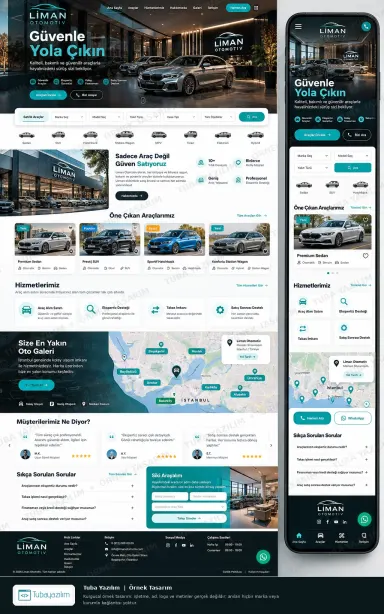
Drivers want to know where to charge, which connector fits and who can install a home unit. These two samples cover a public network style and a home charger installer style.
A website for an EV charging company in the UAE should show charging locations with connector types, explain how to start a session, and give home and business customers a simple installation enquiry route. It needs clear technical information, honest availability wording and bilingual English and Arabic pages.
Last updated:
Sample website designs for EV Charging Companies
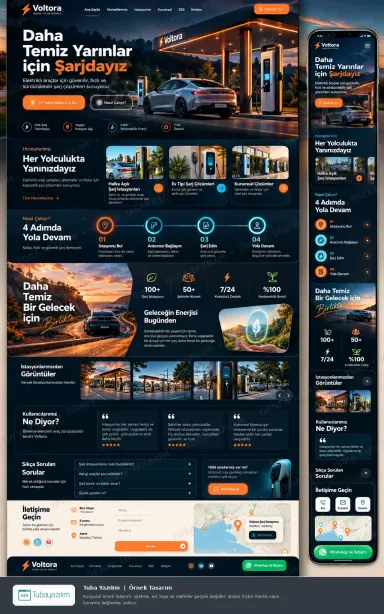
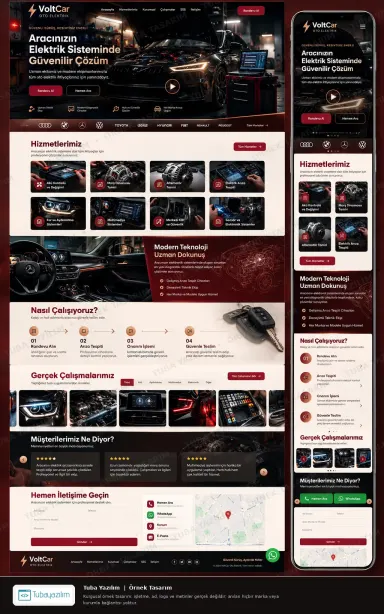
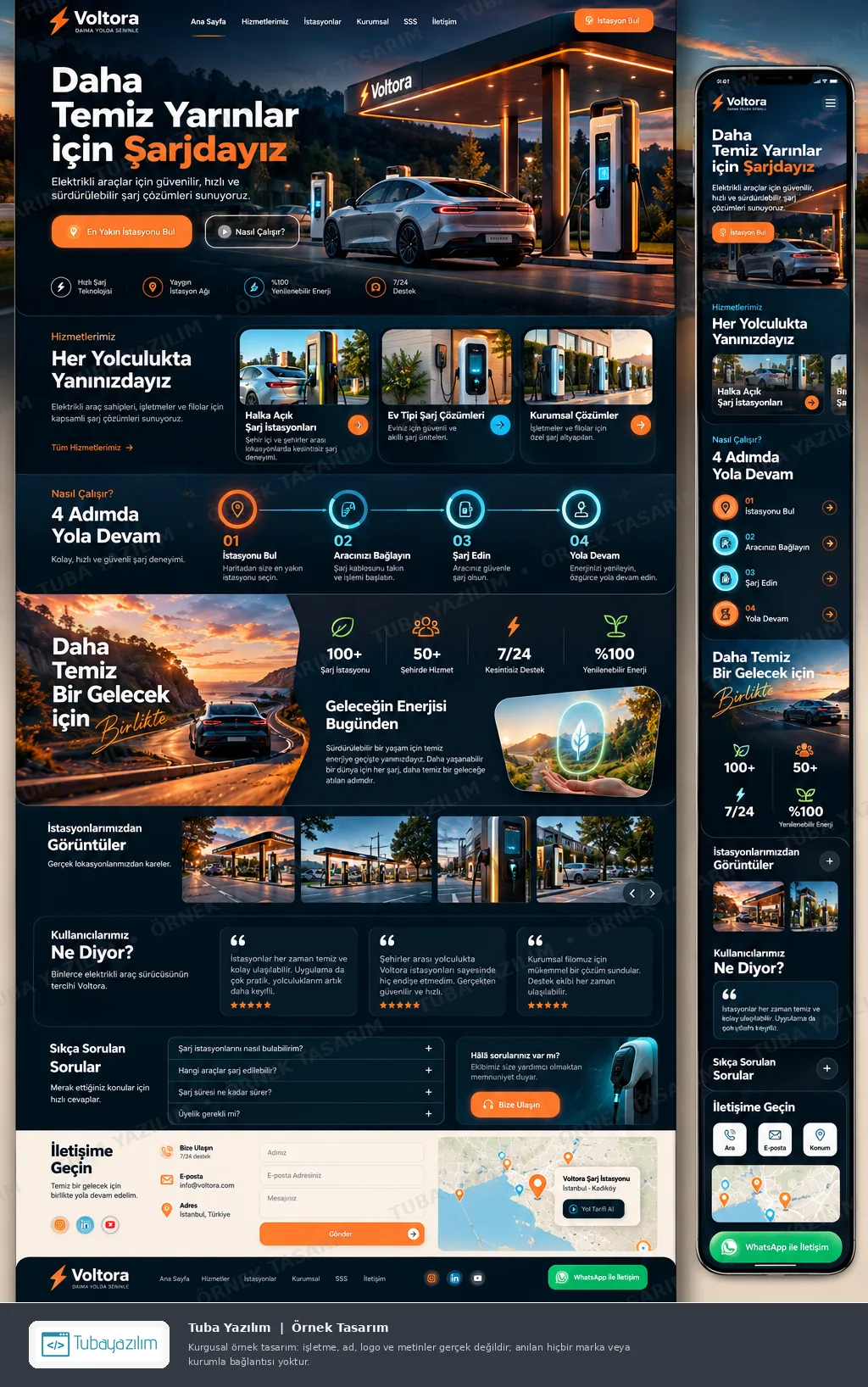
Dark layout with a station hero, location cards, four-step usage process, stats band, reviews and a map. 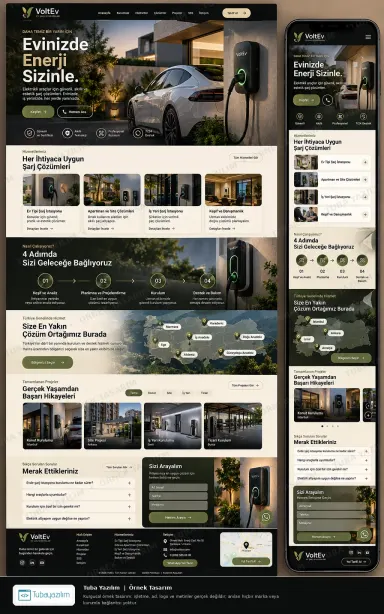
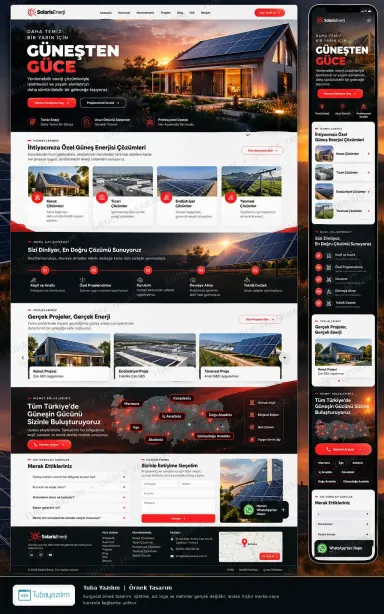
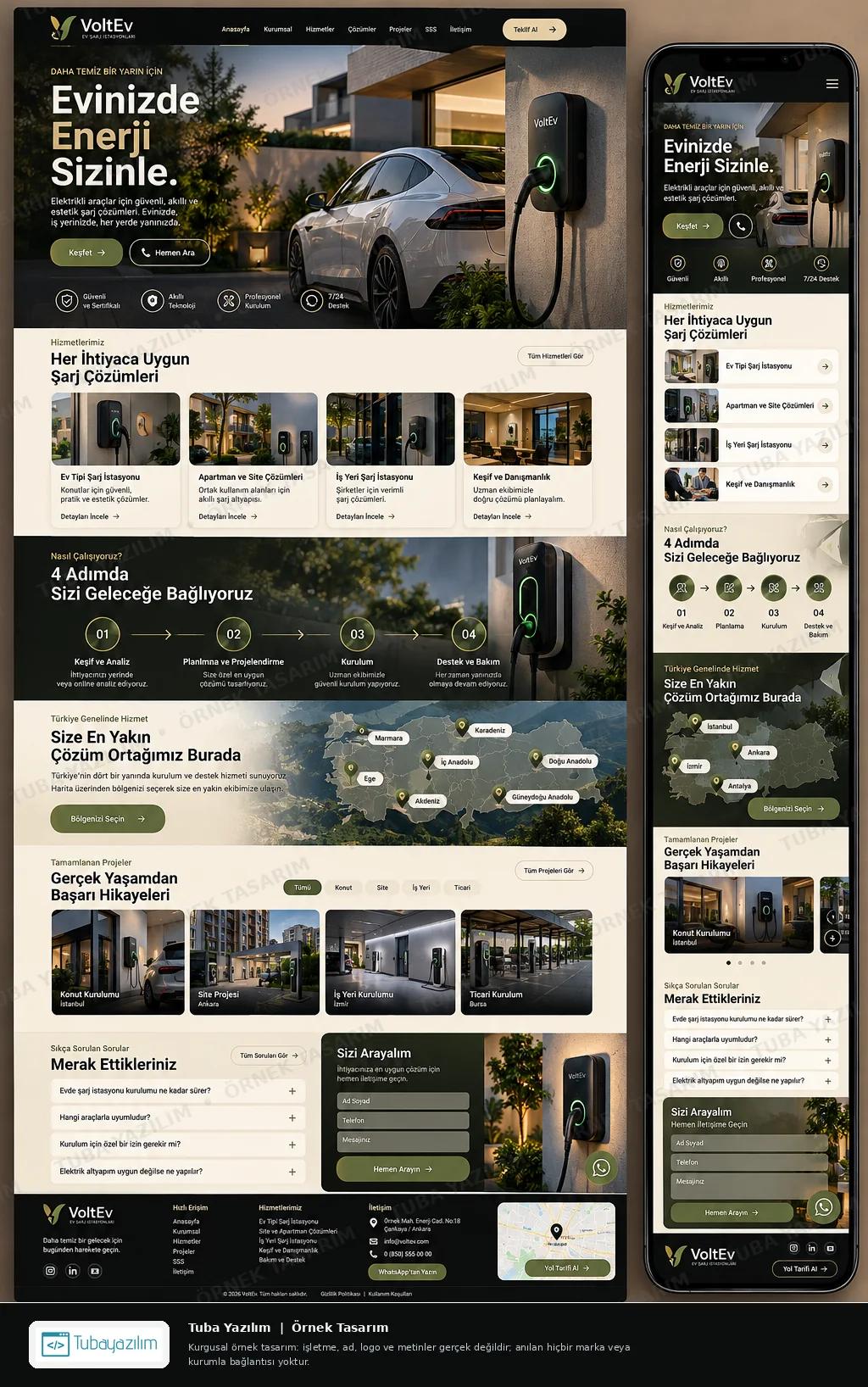
Cream and green layout with a wall-charger hero, charger options, install steps, map and enquiry form.
What should an EV charging website include?
An EV charging website should answer the practical question first: where can I charge, and what do I need? Technical clarity builds confidence faster than slogans.
- A locations page or map with connector types, power levels and access notes for each site
- A simple how-to-charge guide covering app, card or other start method, as your network actually works
- Separate pages for home charger installation, workplace and fleet charging, and property developers or buildings
- A compatibility explanation for common connector types and vehicle brands
- An installation enquiry flow that asks about parking type, electrical supply and building permissions, ending in a WhatsApp or form message
- Honest availability wording, with a note on how status information is updated
- Support contacts and fault-reporting steps
- Bilingual English and Arabic pages with a clear footer and licence details
How do UAE drivers find and choose EV charging?
Drivers search in two moments: while planning a trip or during a stop, and when considering a home or building installation. In the first, they open a map and look for nearby points; in the second, they read, compare installers and ask questions.
For public charging, trust comes from accurate location data, clear connector information and a straightforward way to start. For home installation, buyers want to know who handles permissions, how the site visit works and what the installer will ask about the property.
Residents in apartments and villas, building managers and companies with fleets have different concerns, so separate pages help. Google Maps presence only applies where a real location exists, and structured, plain-language content helps AI assistants answer questions about compatibility. Bilingual pages help serve the whole market.
How should an EV charging company prepare content and stay compliant?
Technical accuracy is the main task. Collect exact specifications for every charger model and site, and decide who will keep availability information correct.
- Photographs of real installations and stations, not generic imagery
- Connector and power details checked by your engineers
- Installation process steps and what the customer must provide
- Safety and warranty wording supplied by your equipment partners
- Trade licence and electrical contractor details
Electrical installation, building access and charging operations can be regulated by utility and municipal authorities, and requirements vary, so confirm requirements with the relevant authority or a lawyer before making claims. Avoid statements about speed, savings or environmental impact unless you can support them with documents.
Frequently asked questions
Can the website show live charger availability?
Live status needs a connection to your charging network software, which is a custom integration we can scope separately. A standard website can list locations and explain how drivers check status in your app, avoiding claims the site cannot keep current.
How can home customers ask about installation?
An enquiry flow can ask for the car, parking type and building details, then send the request by WhatsApp or form. Your team replies with a site-visit plan. The site does not promise permissions or timings, which depend on the property and authorities.
Do you need a map on the site?
If you operate real stations, a map helps drivers greatly. We can display locations, connector types and notes. If you are an installer without public stations, the emphasis moves to service areas, process and enquiry routes instead.
Can you work with our technical content?
Yes. You supply specifications and safety wording; we turn them into clear pages and structure them so search engines and assistants can read them. We work remotely from Istanbul, communicate by WhatsApp and invoice by bank transfer.