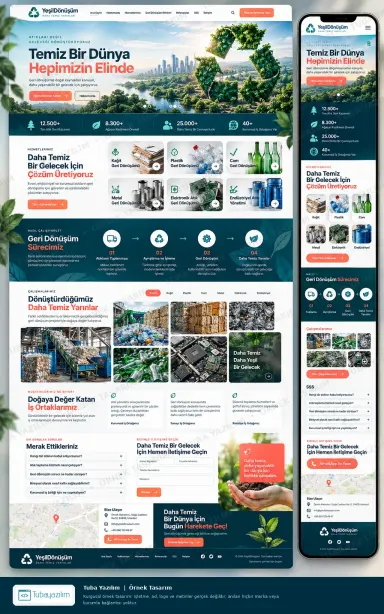
Website Design for Second-Hand Goods Dealers in the UAE
Buyers of used items want to know what is in stock, what condition it is in and how the handover works. These four fictional sample designs cover furniture, flea-market goods and used electronics.
A website for a second-hand goods dealer in the UAE should show current stock by category with honest condition notes, and explain how buying, selling and collection work. It needs photo-led item galleries, a simple way to send photos of items you wish to sell, WhatsApp contact for availability, and English and Arabic text.
Last updated:
Sample website designs for Second-Hand & Used Goods Stores
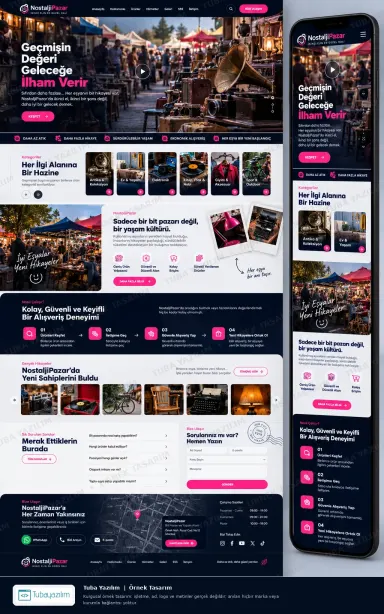
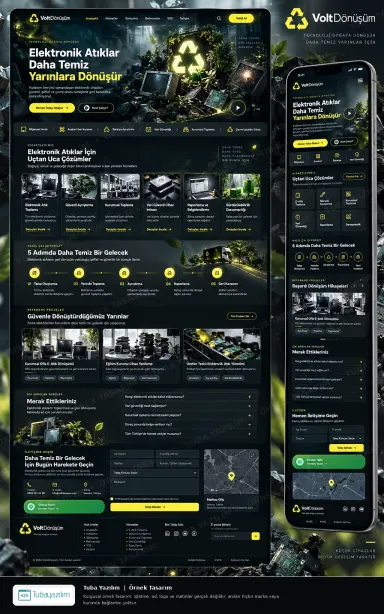
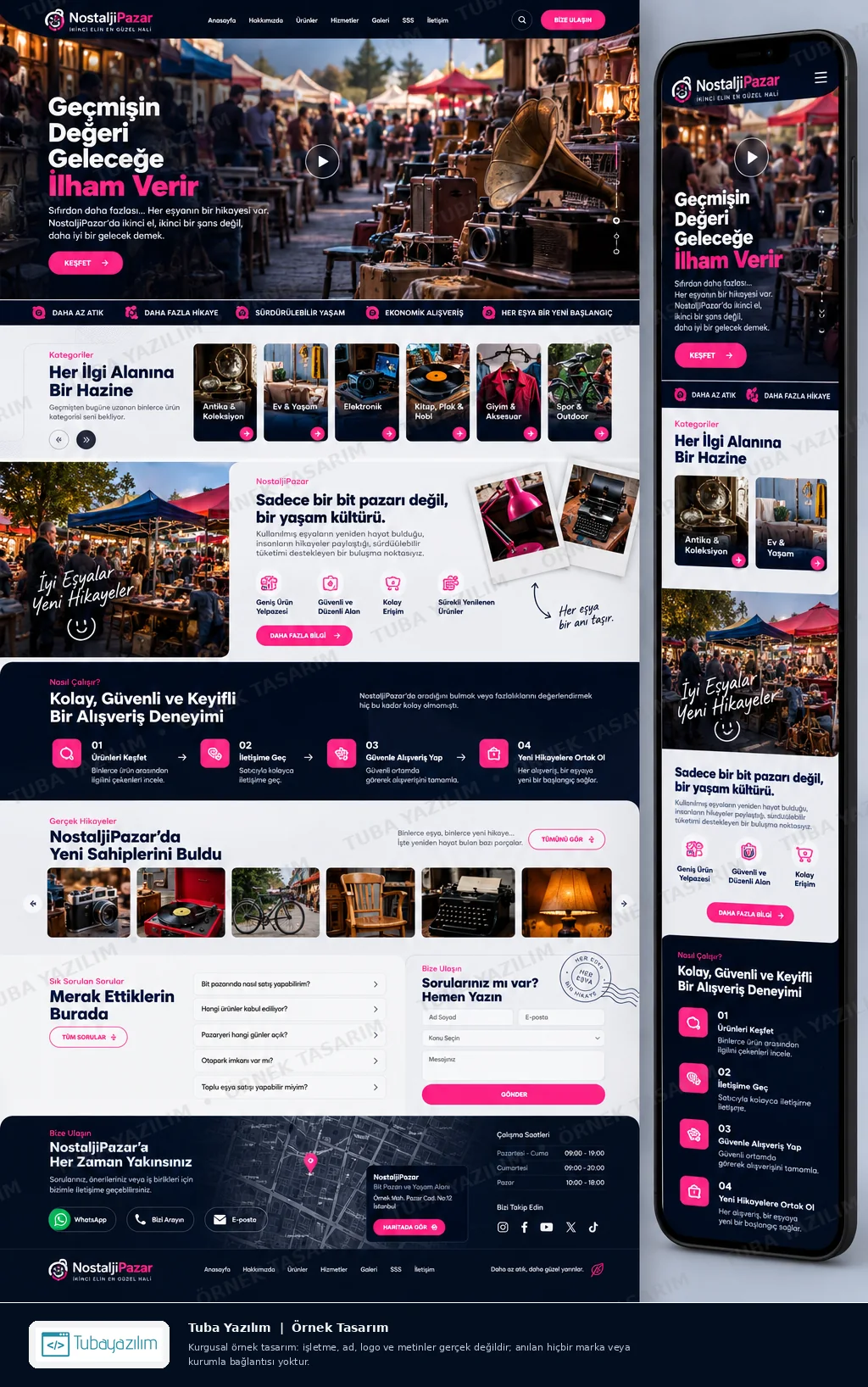
Dark navy and magenta: vintage market hero, interest-category tiles, process steps and photo gallery. 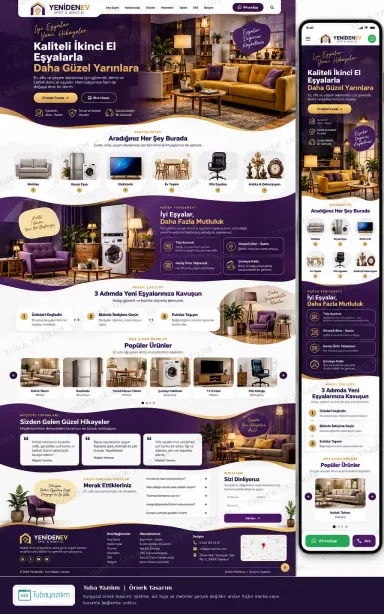
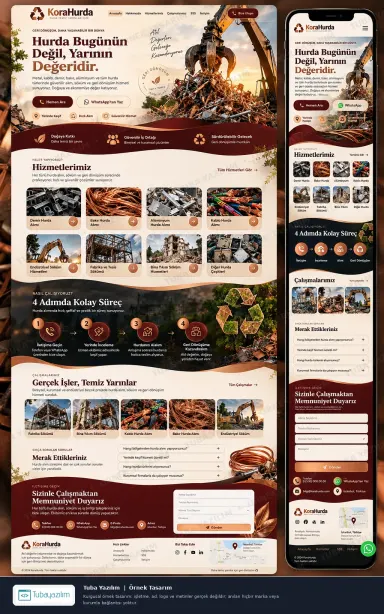
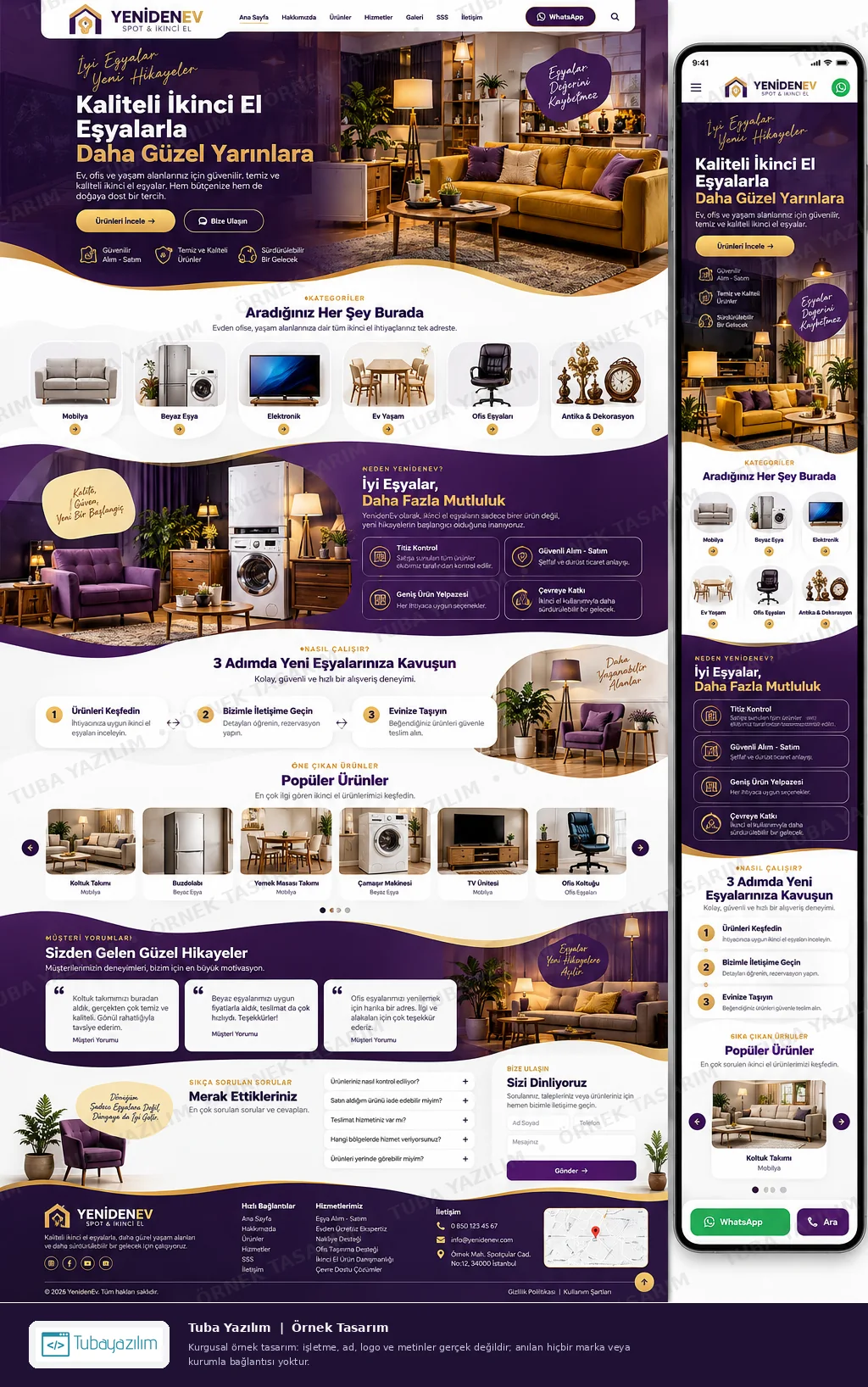
Purple and gold: furnished living-room hero, appliance and furniture icons, popular-items row. 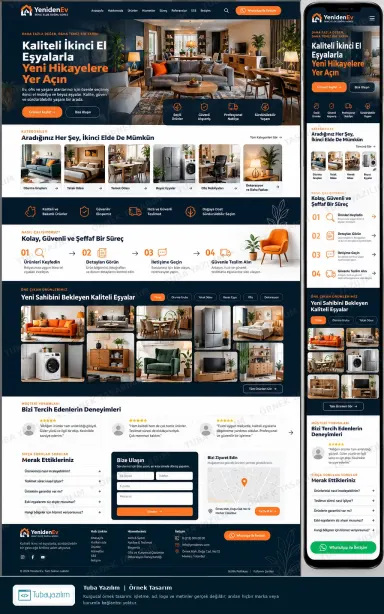
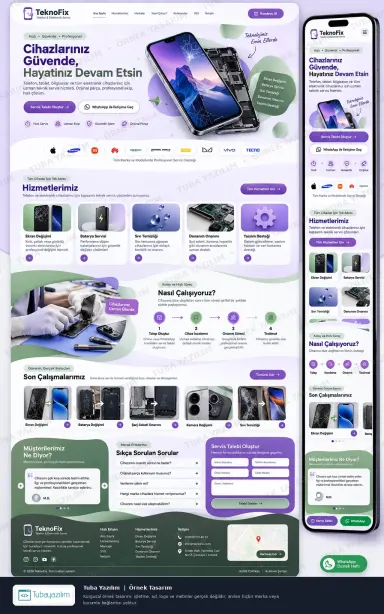
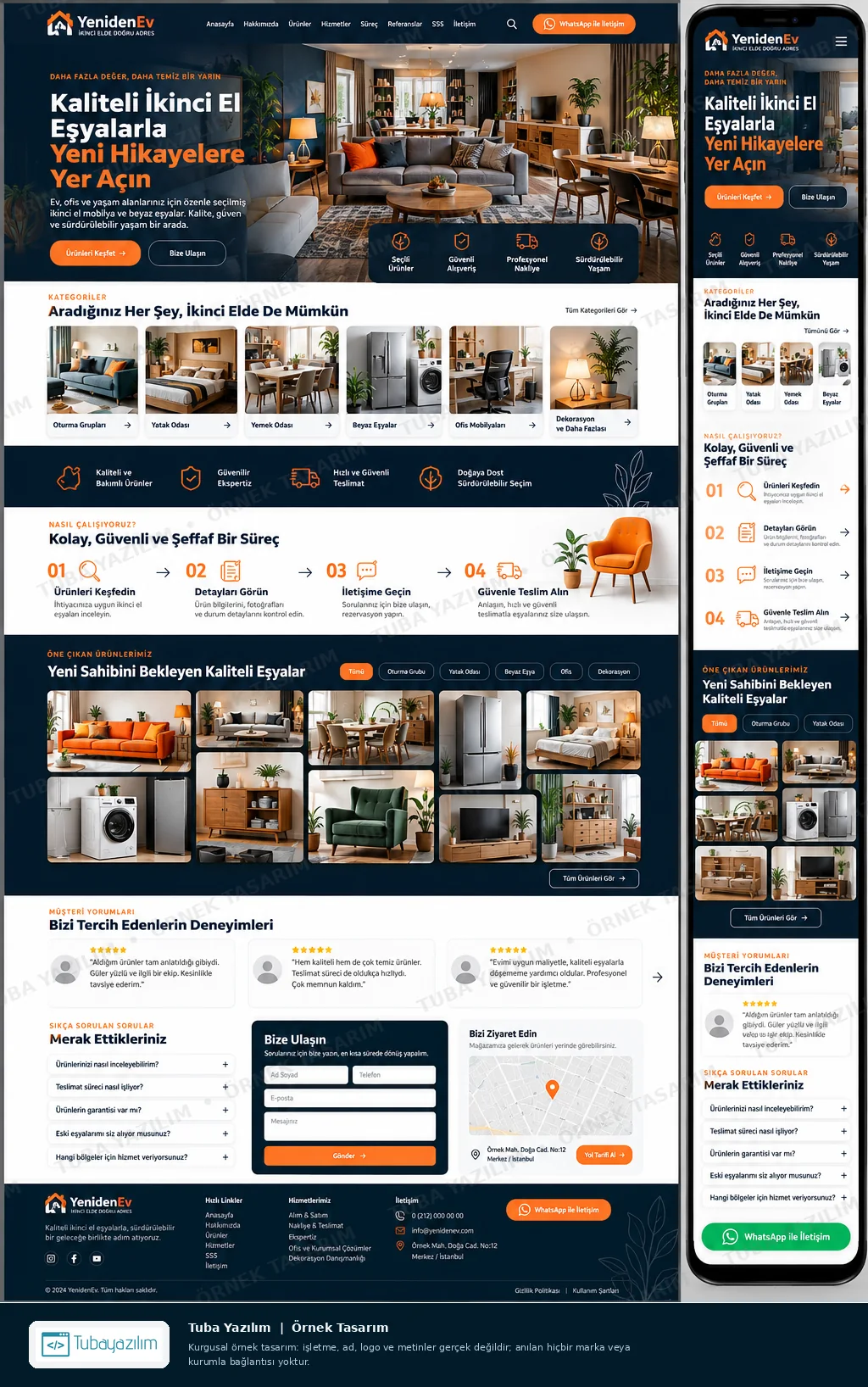
Dark charcoal and orange: room-scene hero, category photo row, three-step process, item gallery. 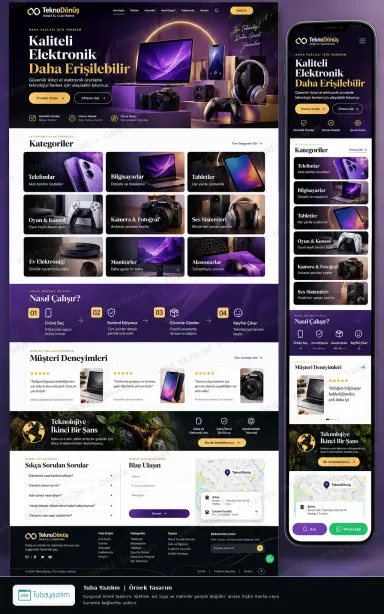
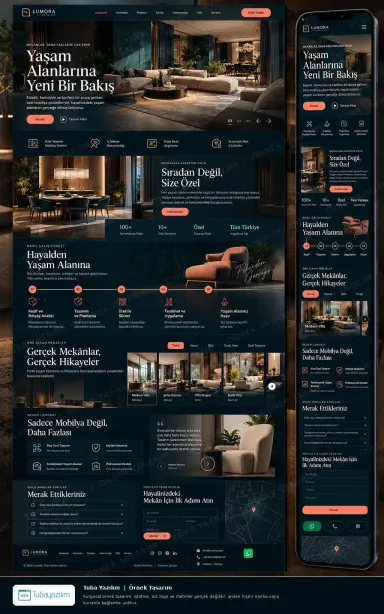
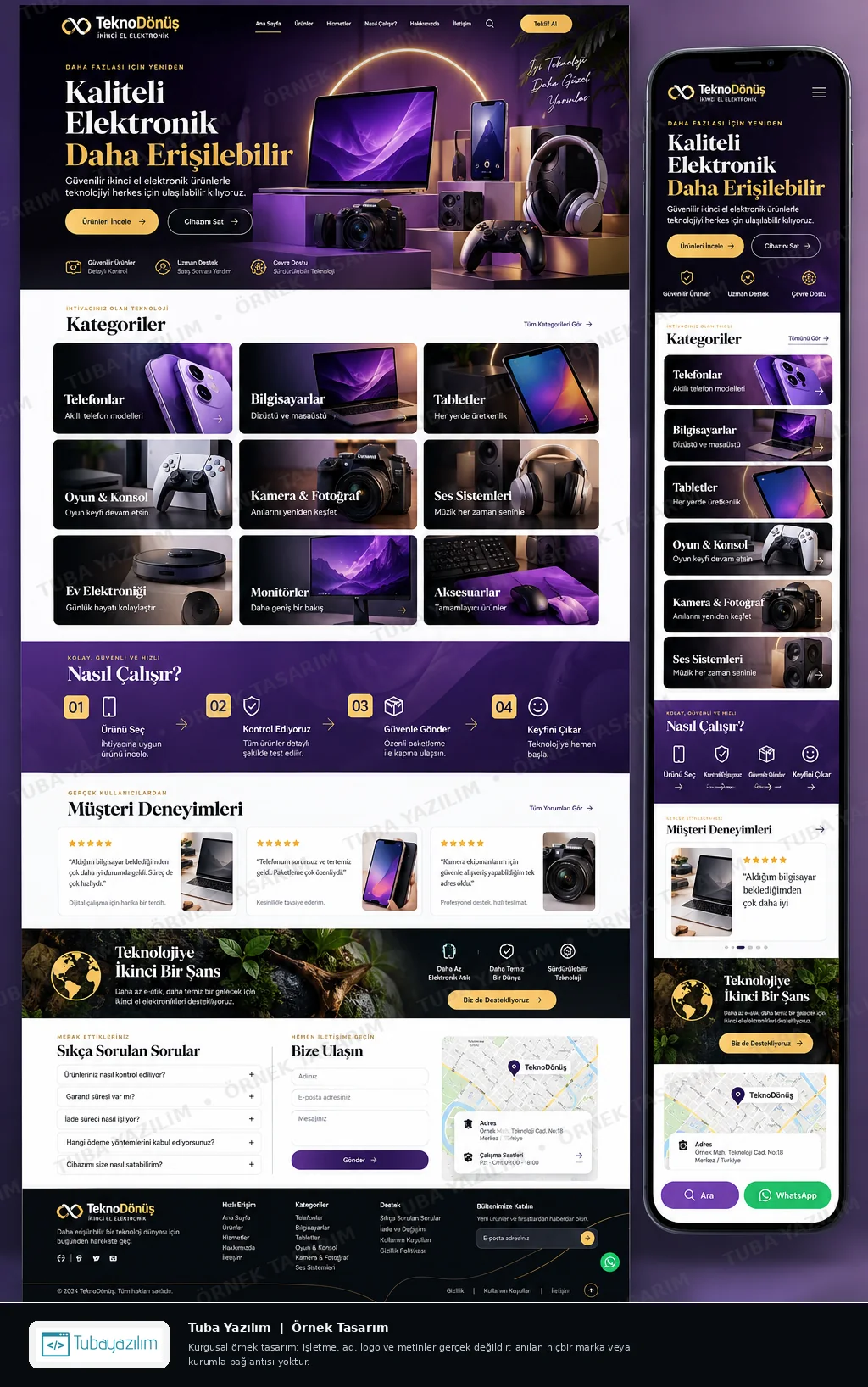
Violet and gold: headphones and devices hero, category cards, four-step process and map panel.
What should a second-hand goods website include?
A used-goods website should make stock easy to scan and honest to read. Visitors need to see what is available now, in what condition and how to reserve it.
- Categories such as furniture, home appliances, electronics, decor and collectables
- Item pages with several photographs, dimensions and a plain condition description, including visible marks
- A "currently available" label that you can update quickly, to avoid chasing sold items
- A WhatsApp button that opens with the item name pre-filled, for questions and reservations
- A "sell to us" page explaining how to send photos and details for an assessment
- A clear description of collection, delivery areas and how items are checked
- Shop location, opening hours and map, if you have a physical premises
- A short statement of testing, warranty or returns, only if you genuinely offer them
For electronics, add a page about data wiping and what is included in the box.
How do people in the UAE look for second-hand items?
Residents here move often, furnish quickly and pass things on, so used goods are a practical, everyday search. Buyers want a fair deal and certainty that an item is as described, while sellers want an easy, discreet way to clear a household.
Searches usually combine an item with a place: a sofa, a washing machine, a camera, near a neighbourhood. They also search for a buyer when relocating. Pages for both buying and selling help you appear for each intent.
Visitors expect to see real photographs and to send a message immediately. Items change daily, so the site should be easy to update, and WhatsApp is the natural channel for questions, offers and photo exchanges. English and Arabic content, plus clarity about collection and delivery, help reduce the back-and-forth.
What should a second-hand dealer prepare for the website?
The key preparation is a routine for photographing items consistently: clean background, good light, several angles and a close-up of any flaw. Honest condition wording builds more trust than polished images alone.
Decide how you describe condition, whether you test electronics, and what you say about returns. Prepare your trade licence details, shop information and the areas you collect from and deliver to.
Dealing in used goods may involve rules on licensing, secondhand electronics or proof of ownership, so describe your process in general terms and confirm requirements with the relevant authority or a lawyer. We work remotely from Istanbul and will set up the site so your team can update stock easily, with no invented testimonials.
Frequently asked questions
Can we update the stock ourselves?
Yes. We can build the stock pages so your team can add, edit or mark items as sold without technical help, using a simple admin area. This is custom development rather than an online shop, so there is no checkout; buyers still message you to reserve.
Can sellers submit items through the website?
Yes. A "sell to us" form can take photos, a short description and contact details, sending them to your team and WhatsApp. You then assess and reply. We keep the form short so people actually complete it, and ask for details only you need.
Do you build a shop with online payment?
No. We do not build e-commerce stores. Customers browse, ask on WhatsApp and arrange payment and collection with you. This often suits used goods, where each item is unique and condition questions come first.
Should the site be bilingual?
Yes. Buyers and sellers in the UAE come from many backgrounds, so English and Arabic are a sensible baseline. We build both with proper right-to-left layout and can structure item descriptions so each language is searchable. We recommend native review of the Arabic.