Website Design for Mediation & Dispute Resolution Offices
People reach a mediation office during a stressful dispute, so the site has to feel calm, neutral and clear about what happens next. Here is how we would approach it.
A website for a mediation practice in the UAE should explain what mediation is, which disputes the office handles and how a session is arranged, in calm and neutral language. It needs mediator profiles, a confidentiality statement, a discreet enquiry form and bilingual English and Arabic pages.
Last updated:
Sample website designs for Mediation & Dispute Resolution Offices
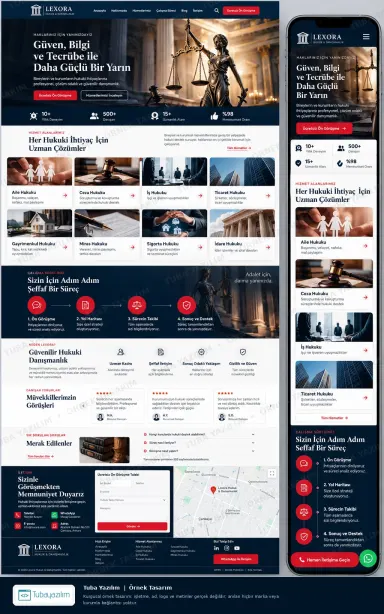
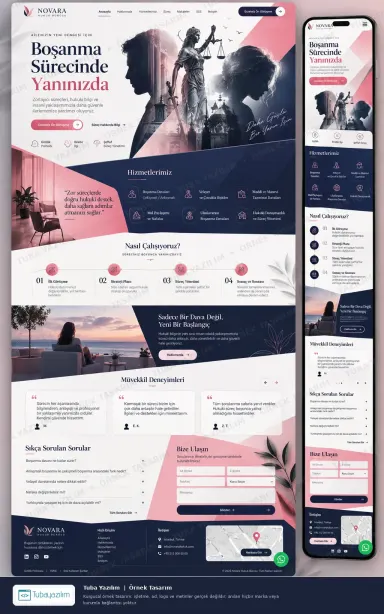
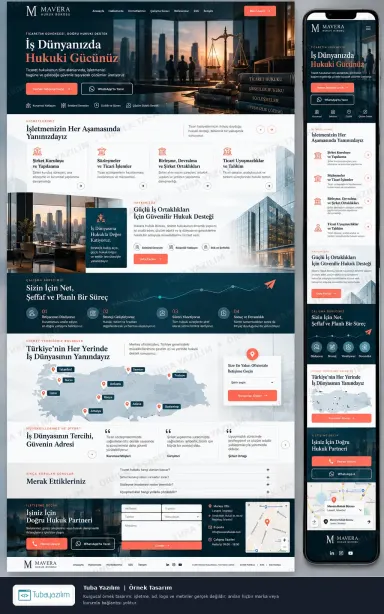
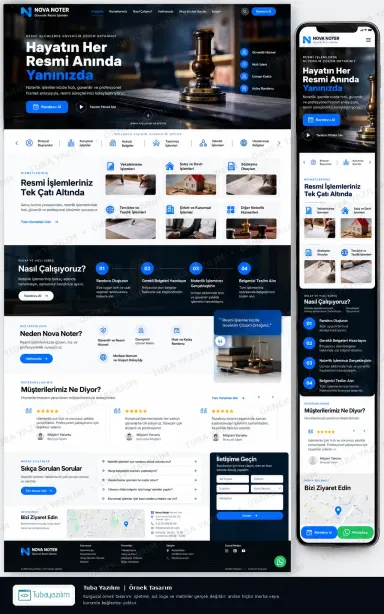
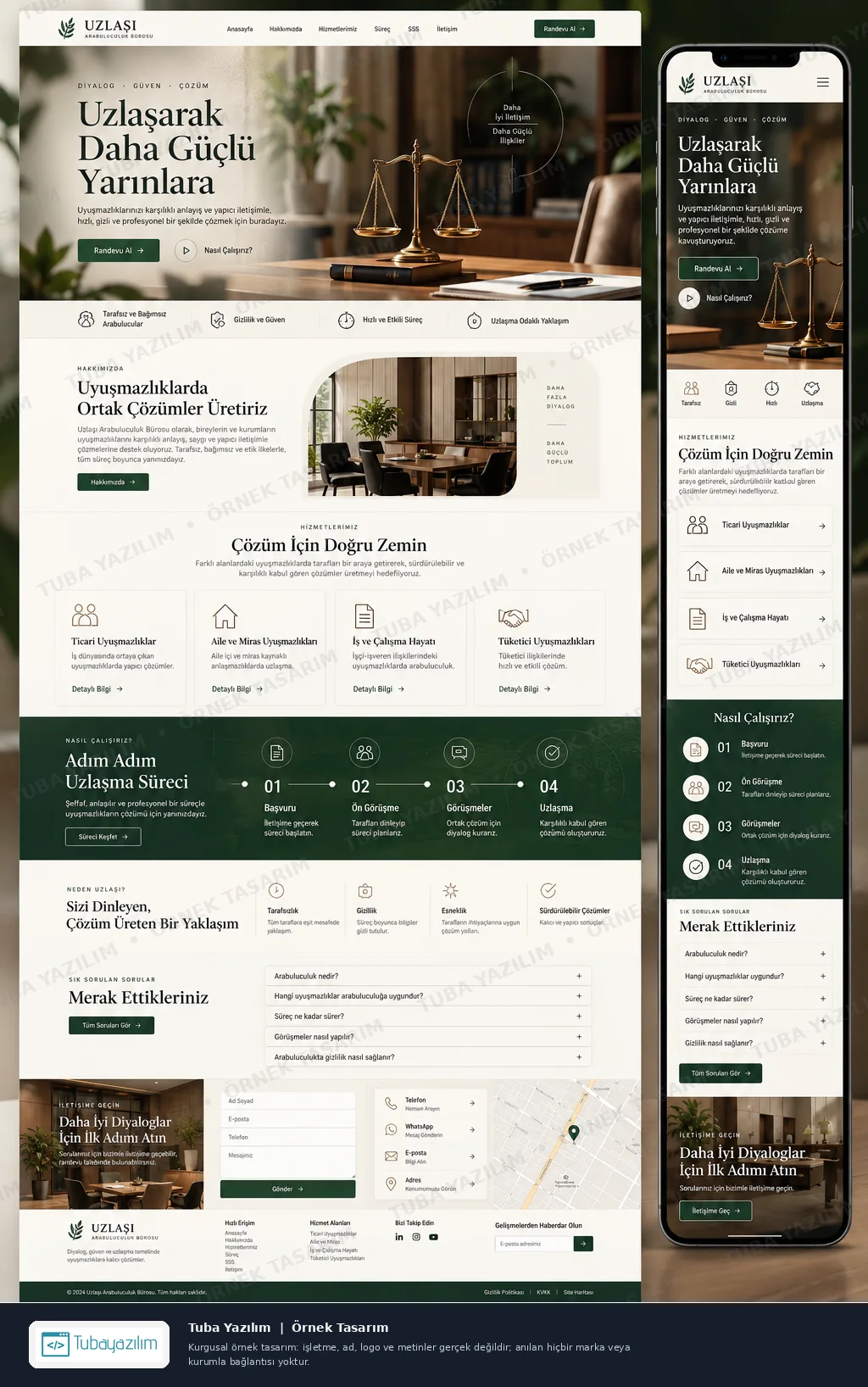
Dark green and cream layout: scales hero, dispute-type cards, four-step process, contact form 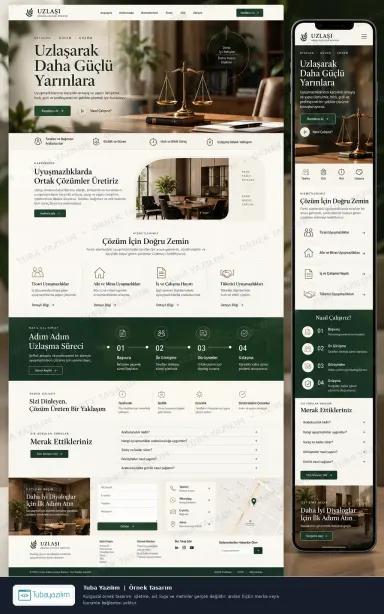
Deep green mediation layout with a warm office hero, area cards, a numbered process and a FAQ beside a map
What should a mediation office website include?
It should help a worried visitor understand the process before they pick up the phone. A mediation site is trusted when it explains rather than persuades, so the structure follows the questions people have.
- A plain explanation of mediation and how it differs from court or arbitration
- Dispute-type pages: commercial, family, employment, property and neighbour disputes, as relevant to the office
- A step-by-step panel from first enquiry to signed agreement
- Mediator profiles with qualifications, languages and areas of focus
- A confidentiality page explaining what is and is not kept private
- A short, discreet enquiry form that does not ask for case details
- A section on how both parties are invited to take part
- FAQs on duration, attendance, online sessions and next steps
How do people in the UAE look for a mediator?
Often a lawyer, an employer or a friend suggests mediation, and the person then searches to see what it involves. They tend to read several explanations, then look for a firm that seems balanced and approachable.
Many disputes involve people from different countries, so showing the languages offered is practical. An Arabic and English site also tells a visitor that both sides will be understood. WhatsApp is a gentle first step, because it lets someone ask a simple question without filling in a long form or speaking to a stranger.
Visitors are wary of aggressive design. Neutral colours, restrained imagery and short paragraphs help the site feel safe for someone who is anxious.
How should a mediation site handle trust and compliance?
Mediation sits close to the legal profession, so wording matters. Rules on legal and dispute-resolution services exist in the UAE, and the owner should confirm what may be advertised with the relevant authority or a lawyer.
Before design begins, prepare:
- Mediator qualifications and registrations you can verify
- A confidentiality and data-handling statement
- A description of how sessions are arranged, in person or online
- Portrait photographs in a consistent style
- The kinds of dispute you accept and those you refer elsewhere
We avoid success rates, settlement counts or testimonials unless they are real, permitted and supplied by you.
Frequently asked questions
Should the enquiry form ask about the dispute?
Keep it minimal. Name, contact method, language and a general category are usually enough. Asking for case details before any engagement raises privacy concerns, so the form should invite a call or message and explain that detail will be discussed in confidence.
Can the site support online mediation sessions?
The site can explain how online sessions work and link to your chosen video platform, with joining instructions on a private page if you need one. We can also build a simple booking request. The mediation itself stays within your own tools.
Do we need testimonials?
Not necessarily, and in a confidential field they can feel out of place. Many offices rely on clear process pages, mediator profiles and a calm tone. Add reviews only if they are genuine, anonymous where needed and allowed by the relevant rules.
How does the remote design process work?
We work from Istanbul, one hour behind the UAE, using WhatsApp and email. You provide profiles and content, we present design stages, then build and test. We have no UAE office. Payment is by invoice and bank transfer. We build the page structure and the contact routes, while the professional wording and any regulated statements remain your responsibility to supply or approve.