Website Design for Textile Factories & Manufacturers in the UAE
Fabric buyers judge a mill by what it can show: product ranges, production capacity and process control. Here is how that translates into a website.
A website for a textile factory or manufacturer in the UAE should present fabric and product ranges, production capability and quality control in plain language, with real plant photography. It needs a sample-request or quotation route by WhatsApp and form, and English and Arabic pages for wholesale and export buyers.
Last updated:
Sample website designs for Textile Factories & Manufacturers
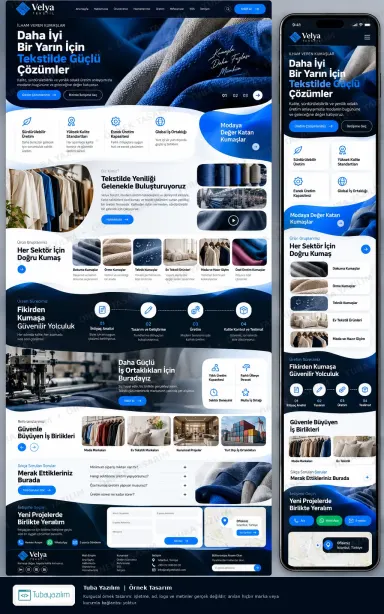
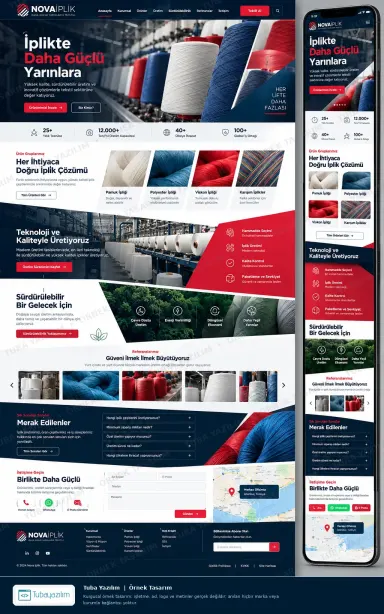
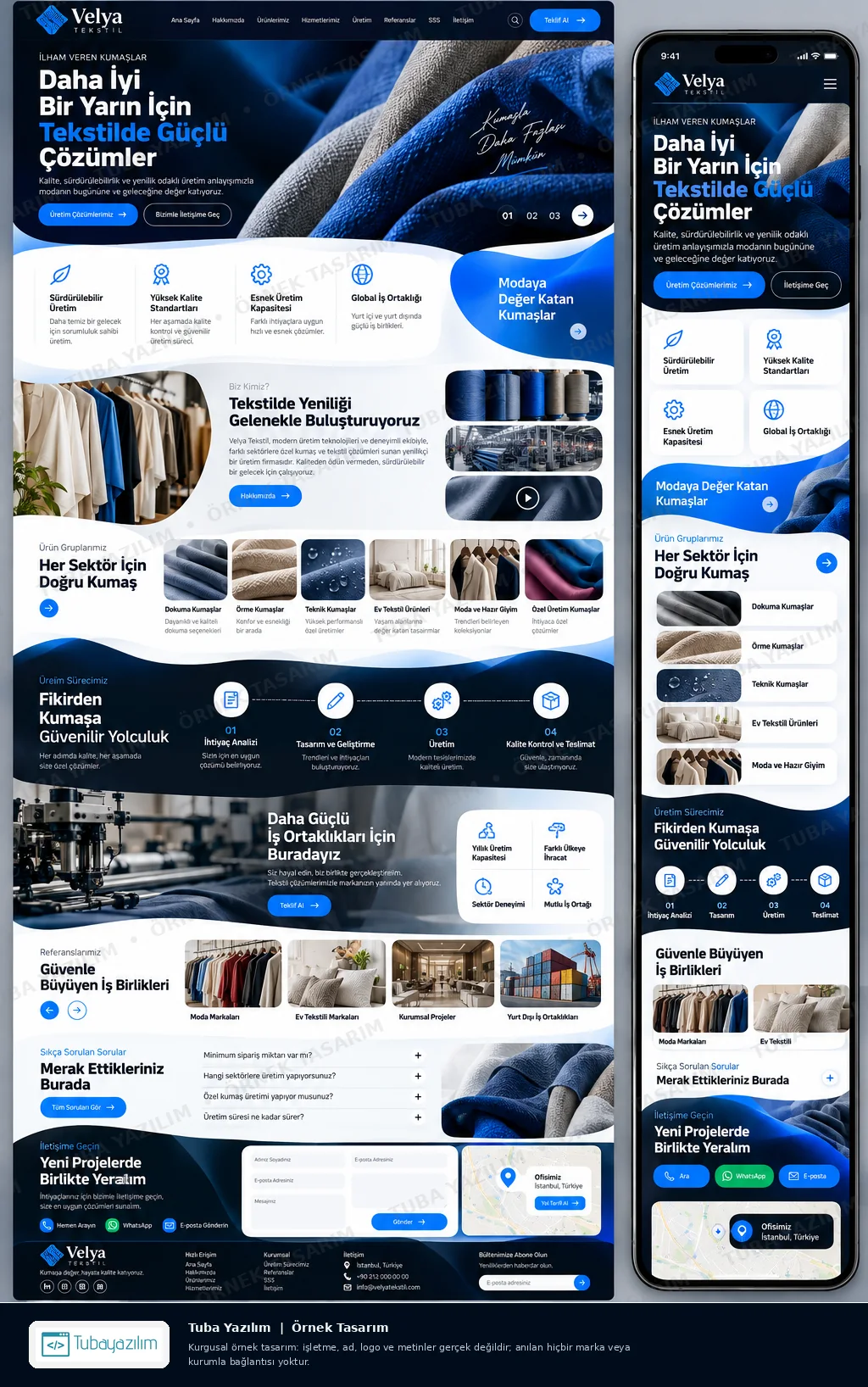
Blue editorial layout with fabric swatches, sector tiles, process steps, partner row and enquiry area. 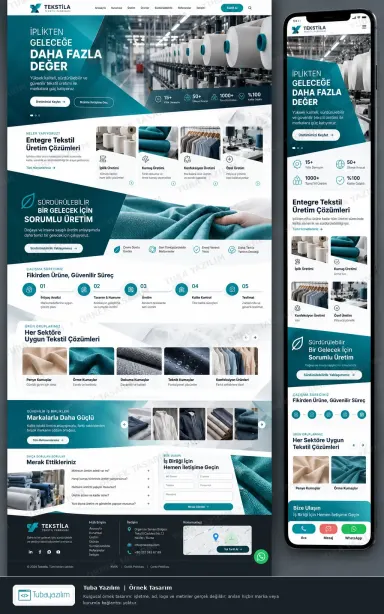
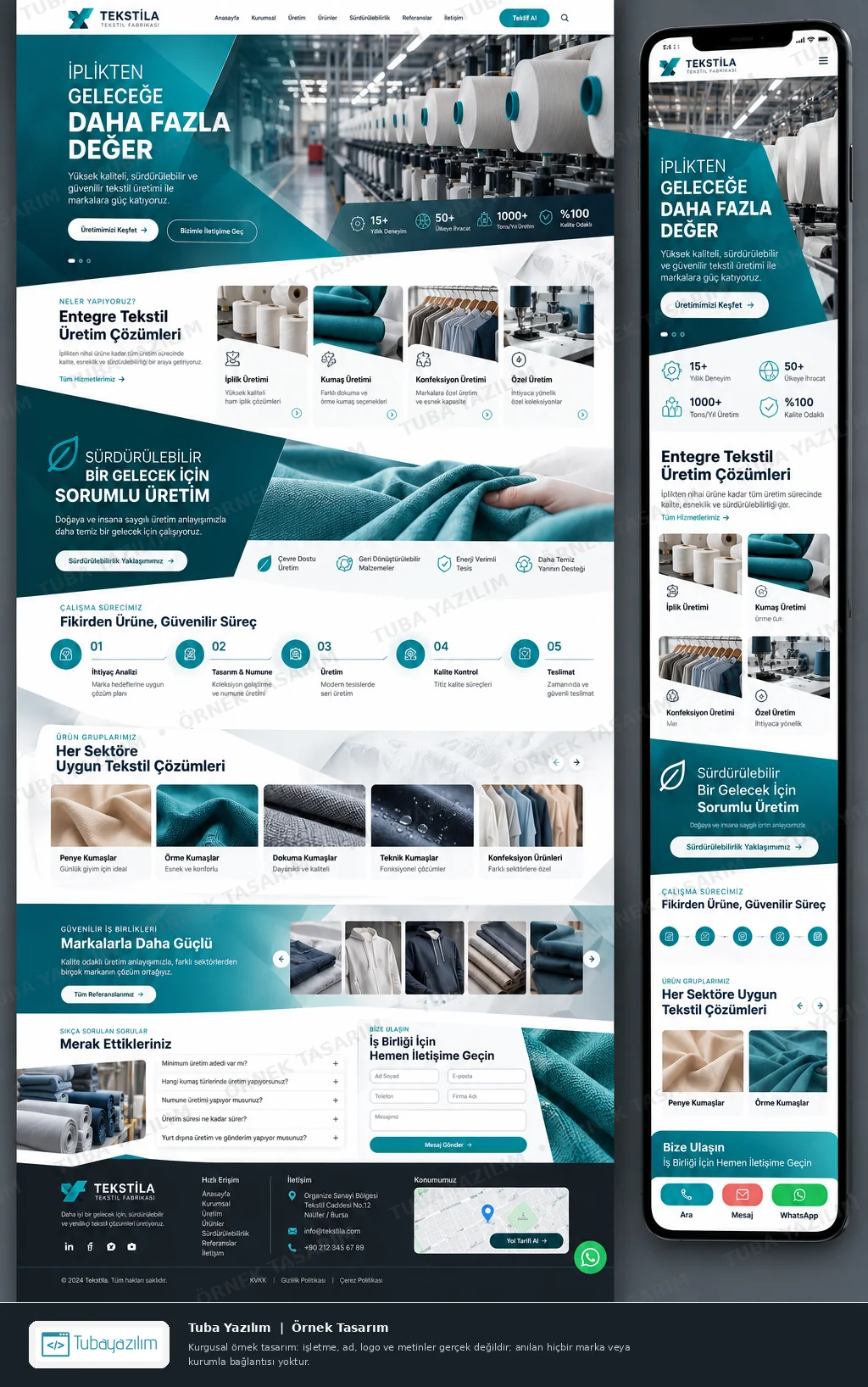
Teal layout opening on spinning machines, with product cards, sustainability band and quote form. 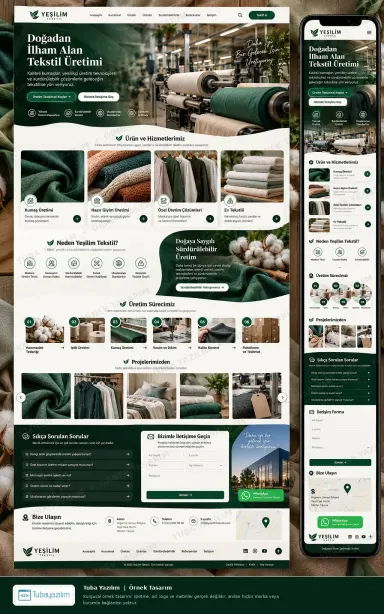
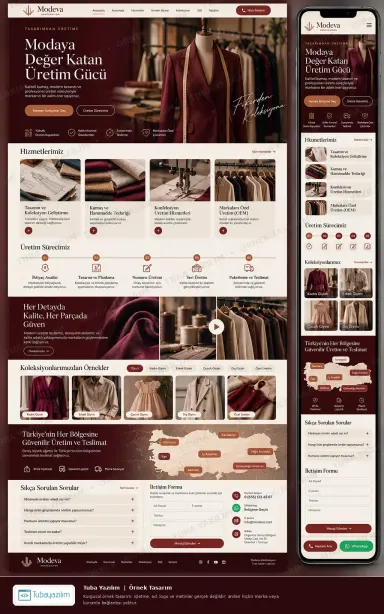
Warm layout with fabric rolls, product and service cards, production steps, project gallery and contact block. 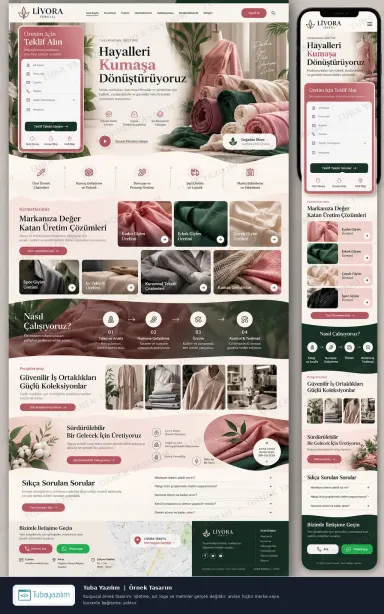
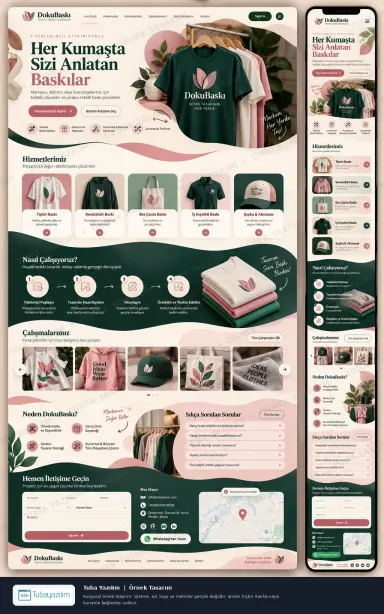
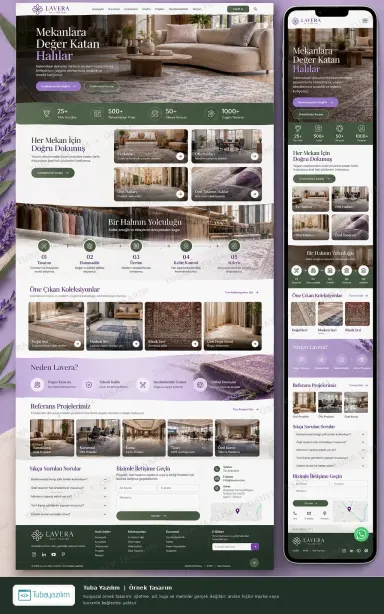
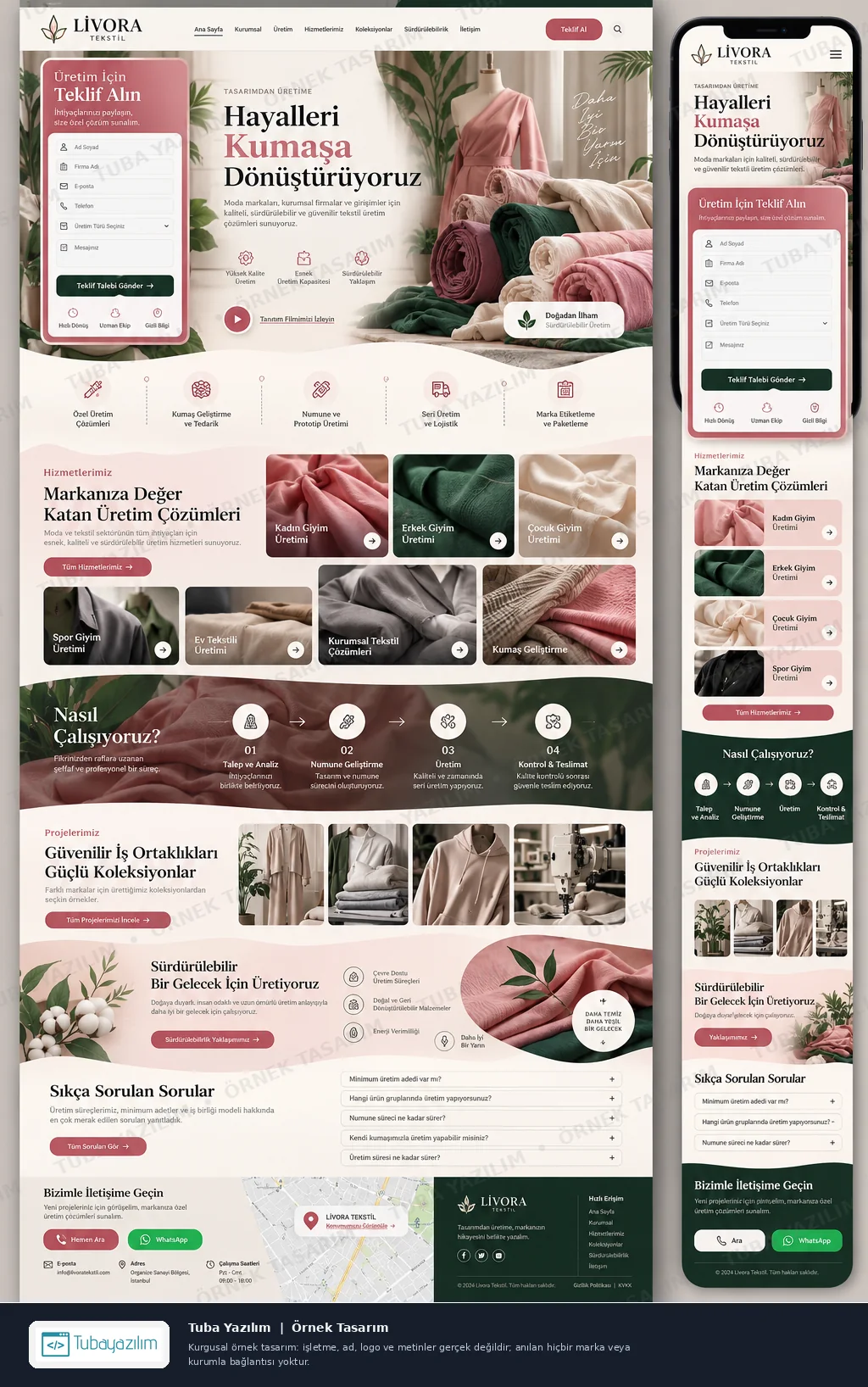
Pink and green layout with draped fabrics, quote panel in the hero, product tiles and process steps. 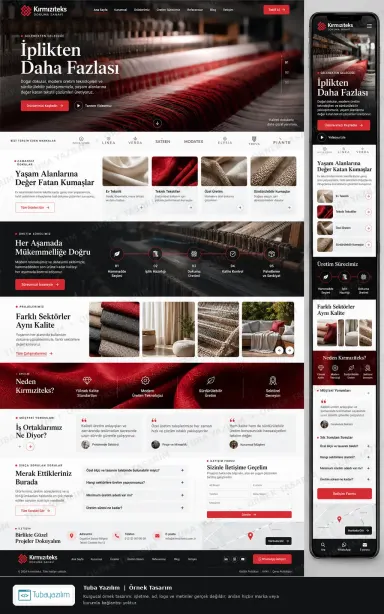
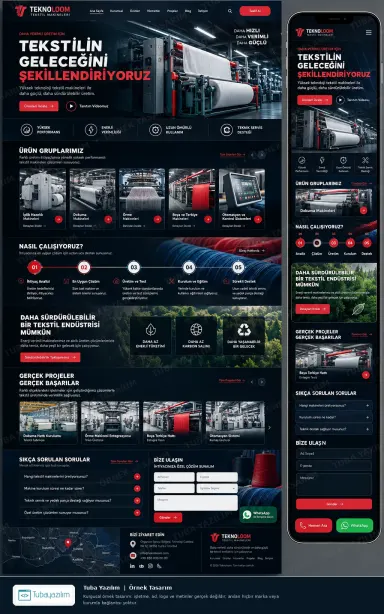
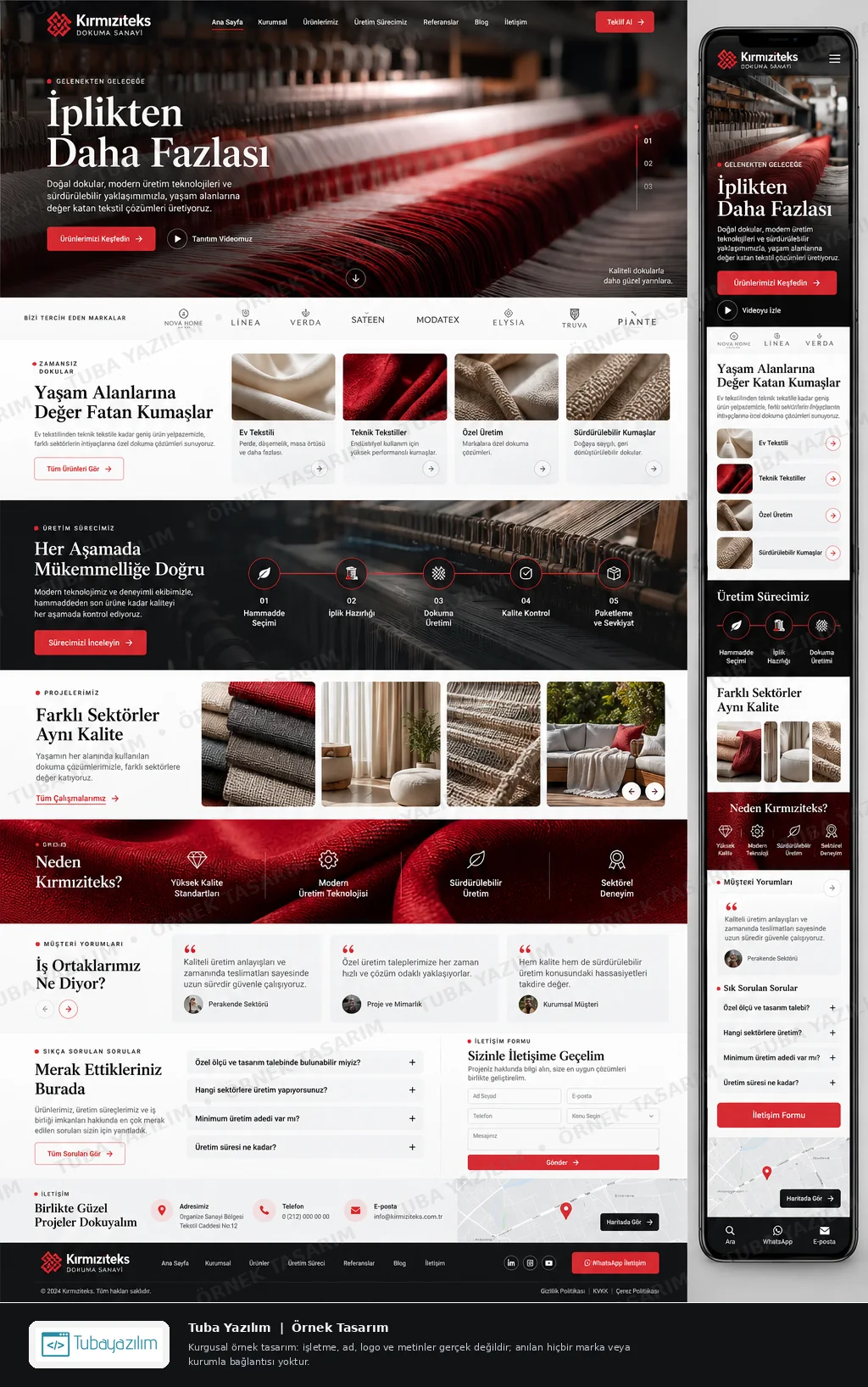
Red and black layout with a loom hero, fabric categories, quality-control section and testimonials area. 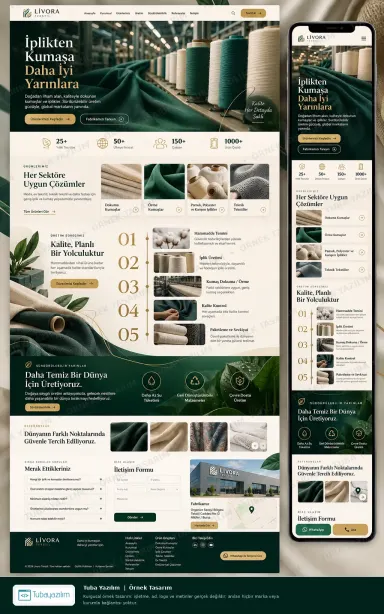
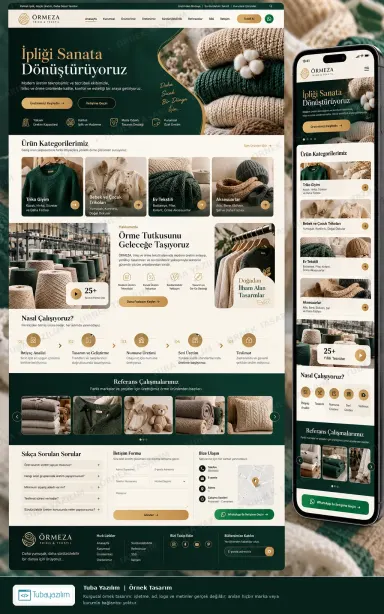
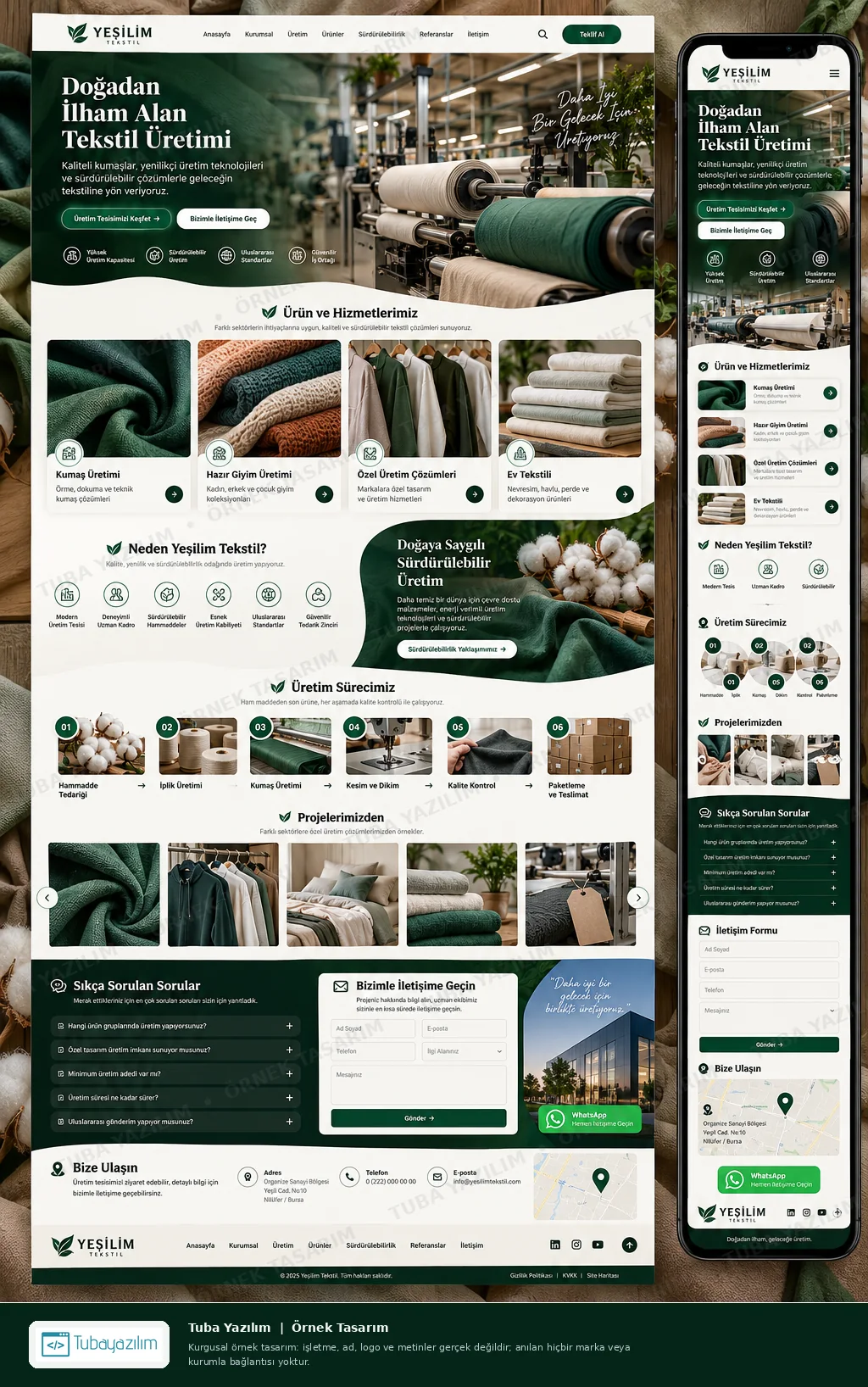
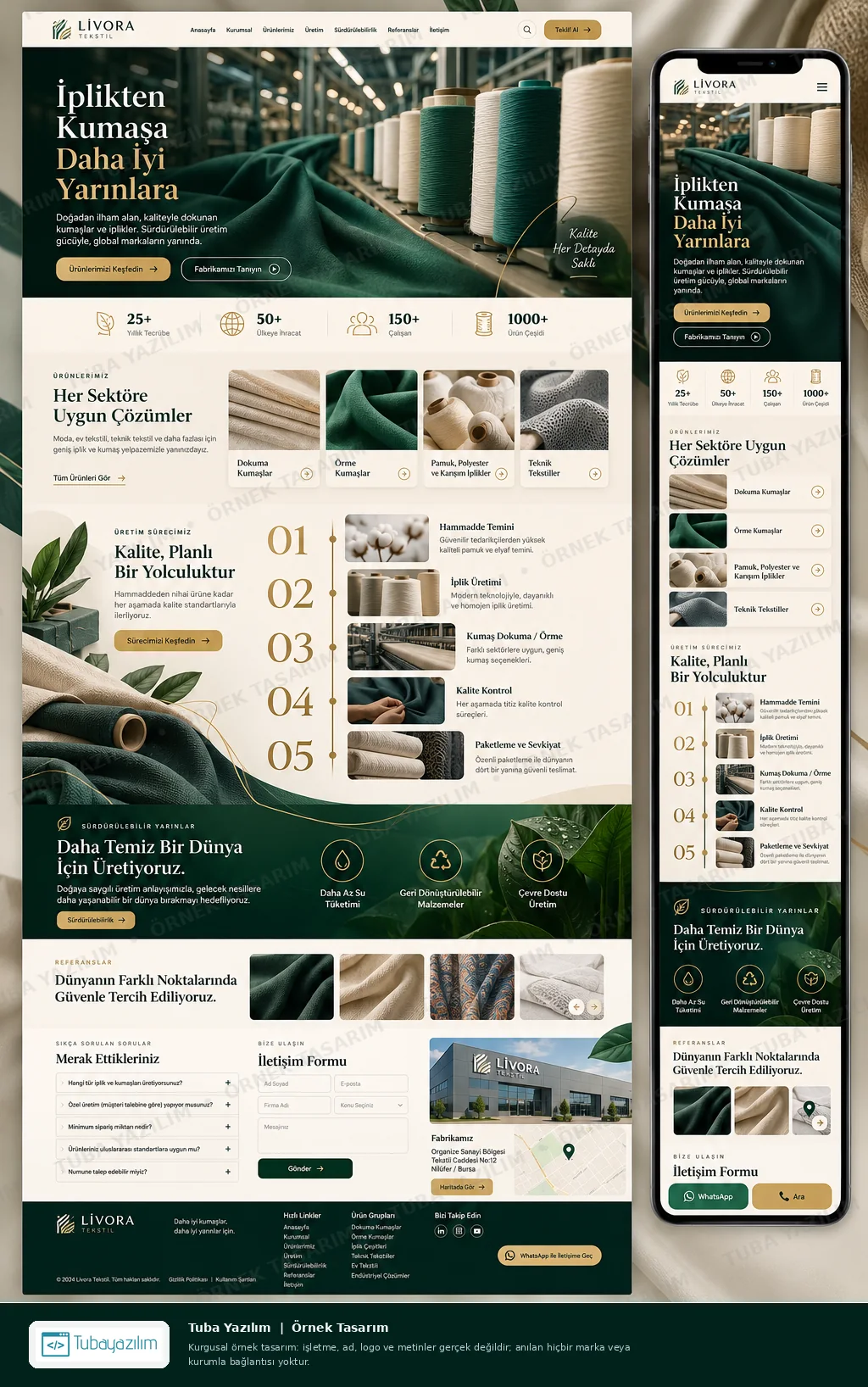
Deep-green layout: spool hero, numbered process, sustainability strip, factory photo by the form.
What should a textile manufacturer's website include?
Buyers, whether wholesalers, garment makers or interior suppliers, want to know quickly what you make and at what scale. The site should show it through structure, not slogans.
- Fabric and product ranges split by use, such as apparel, home textiles, technical and upholstery fabrics
- Capability pages: spinning, weaving, knitting, dyeing or finishing, with the machinery described in general terms
- A numbered production process from raw material to packing and dispatch
- Quality-control and certification information, shown only for certificates you hold
- A swatch or sample-request form capturing composition, weight, colour and quantity
- Photographs of the actual plant, looms and finished rolls rather than stock imagery
- A sustainability section limited to practices you can document
- Export and logistics notes explaining destinations served and how shipments are arranged
How do wholesale buyers in the UAE look for textile manufacturers online?
Sourcing starts with a search for a fabric type, then moves quickly to a shortlist. Traders in Dubai and importers elsewhere in the Gulf often compare several mills in parallel, opening each site to check composition, minimum quantities and whether a sample can be sent.
Since much of the trade is conducted by message, a visible WhatsApp contact matters more than a long form. English is the common working language, but Arabic product names and contact information help local buyers. Clear pages written in the words buyers actually use, such as cotton blends, jacquard or twill, also help the site appear in search and AI answers.
What should a textile manufacturer prepare before the website is designed?
Prepare product facts first, then pictures. Composition, width, weight and finishing options for each fabric line should be checked by your production team so that nothing on the site overstates what you offer.
Collect photographs of machines, fabrics and packaging in good light, and list the certificates you hold with their issue details. Textile exports and trade licensing are regulated, so confirm requirements with the relevant authority or a lawyer before publishing claims about origin or compliance. Tooba Web works remotely from Istanbul and builds the pages from scratch, without an online shop; orders are agreed by quotation and invoice.
Frequently asked questions
Do you build websites for several textile product types on one site?
Yes. A manufacturer producing woven, knitted and home fabrics can have a separate page for each line, linked from one range overview. This keeps each product findable in search while the site still reads as one company with a coherent production story.
Can buyers request fabric samples through the website?
A sample request form can ask for fabric type, composition, colour and quantity, then send the details to your team by email or WhatsApp. It is a request, not an online purchase; you decide who gets samples and how they are arranged and invoiced.
Should the site be in Arabic as well as English?
English suits most trade buyers, but Arabic pages for main ranges and contact details help reach local procurement staff. We can design the layout to support right-to-left text so Arabic can be launched with the site or added afterwards.
How long does the process take and how is it managed?
Timing depends on the number of pages and how quickly content arrives. We manage it remotely from Istanbul, one hour behind the UAE, with WhatsApp updates and review rounds. You supply product facts and photographs; we design and build the site, host it if you wish and maintain it.